

DEPARTMENT OF ORAL SURGERY
Oral Surgery for Minor and Major Jaw Procedures
The Oral Surgery Department handles minor and major surgical procedures in and around the jaw. At Al Shamil, our oral surgery team utilizes dental lasers, electrocautery, and advanced conventional procedures.
We emphasize minimally invasive protocols so that patients experience minimal pressure and smooth, comfortable appointments.
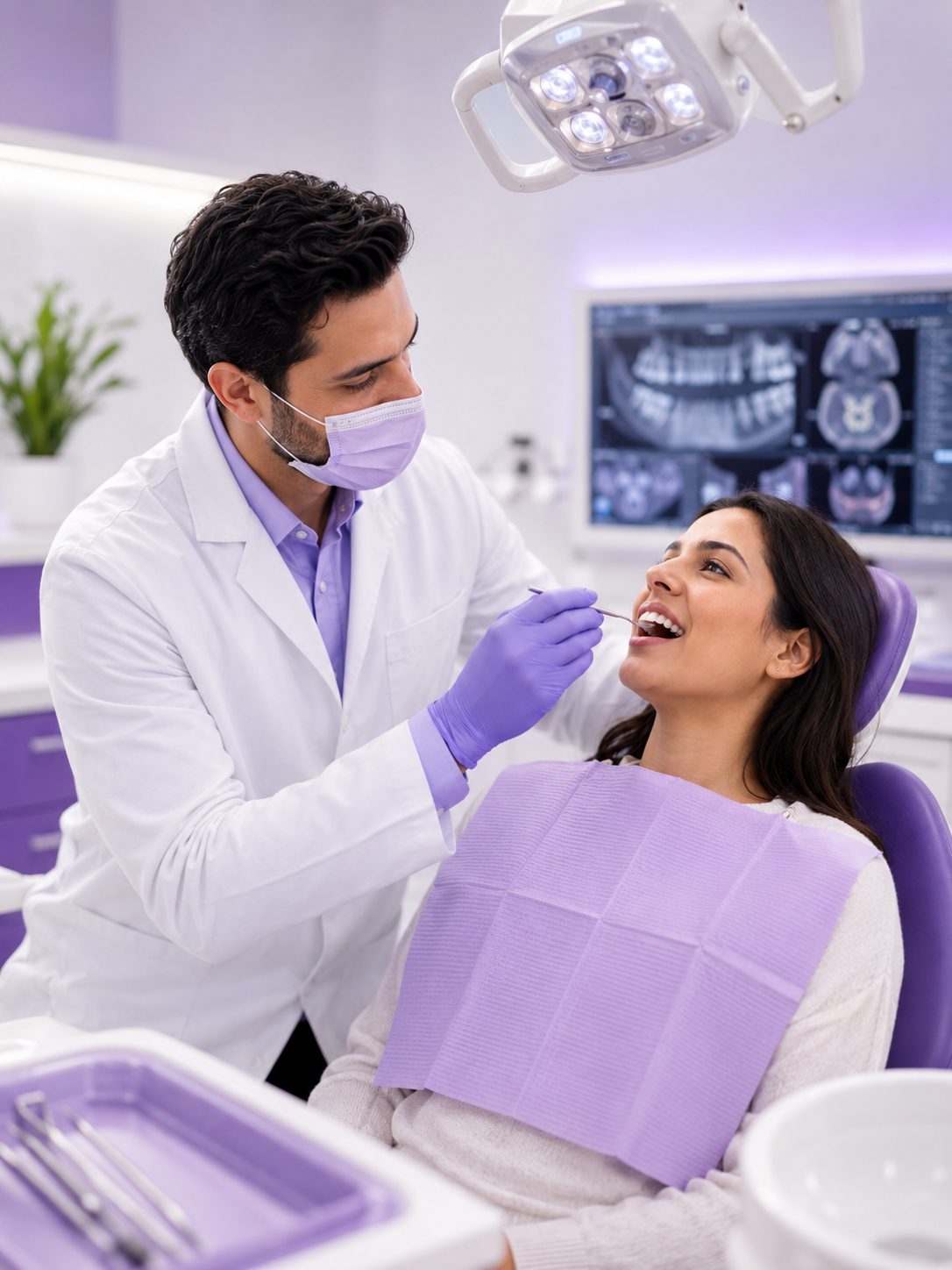
SURGICAL DENTAL CARE
Advanced Oral Surgery with Smooth and Comfortable Appointments
The Oral Surgery Department handles minor and major surgical procedures in and around the jaw. At Al Shamil, our oral surgery team utilizes dental lasers, electrocautery, and advanced conventional procedures.
We emphasize minimally invasive protocols so that patients experience minimal pressure and smooth, comfortable appointments. By using advanced materials, we ensure faster healing times so you can return to work quickly.
A. Oral Surgeries in Sharjah
- Minor Surgical Procedures
- Major Surgical Procedures
- Jaw-Related Care
- Oral Surgery Planning
B. Laser Surgery in Sharjah
At Al Shamil, our oral surgery team utilizes dental lasers, electrocautery, and advanced conventional procedures. Dental lasers may be used in selected oral surgery procedures to support smooth and comfortable appointments.
- Dental Lasers
- Electrocautery
- Advanced Procedures
- Comfortable Appointments
Treatment Options
Oral Surgery Procedures Available at Al Shamil
Routine tooth extractions
Surgical extraction of fractured teeth
Surgical extraction of split teeth
Exposure of impacted teeth
Impacted teeth for orthodontic alignment
Wisdom tooth disimpaction surgeries
Enucleation
Apicoectomy
Marsupialization
Minor removal of oral lesions
Salivary calculi removal
Splinting
Dental lasers
Electrocautery
Advanced conventional procedures
Minimally invasive protocols
Faster healing support
X-rays and CBCT scan planning
Oral surgery care
Cyst removal
COMMON QUESTIONS
Oral Surgery FAQs
Oral surgery encompasses tooth extractions, wisdom teeth removal, and other minor surgical interventions inside the mouth.
Wisdom teeth frequently become impacted (stuck inside the bone) and cannot erupt properly. They should be removed to prevent infection, cysts, and damage to adjacent teeth.
All extractions are performed under profound local anesthesia, ensuring the procedure itself is entirely pain-free.
Initial soft tissue closure typically takes anywhere from 3 days to a week.
It is best to avoid hot drinks like tea and coffee on the day of the surgery. Stick to cold liquids, smooth juices, or ice cream instead.
Standard X-rays offer a 2D view, whereas CBCT scans provide a comprehensive 3D view of the teeth and surrounding bone, allowing for far more precise surgical planning.
Leaving an infected tooth untreated over time can lead to severe issues like cyst formation, extensive bone loss, or deep bone infections like osteomyelitis.
Both approaches have distinct advantages and disadvantages depending on the patient’s individual bone density and oral health.
Stitches are placed to secure the blood clot, minimize bleeding, and promote faster healing.